Published: 16 Apr 2026 | Updated: 24 Sept 2026


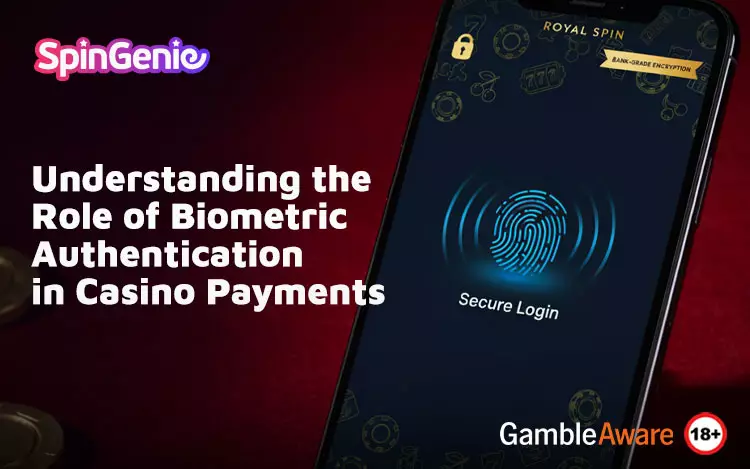

Quick Answer: Biometric authentication uses unique physical traits like fingerprints or facial recognition to verify identity during casino payments. It enhances security while also helping make transactions faster and more seamless across devices.
Key Facts / TL;DR
- Biometric authentication verifies identity using physical traits.
- It can improve both payment security and speed.
- It reduces reliance on passwords and manual input.
- Adoption is growing across mobile and digital platforms.
- Payment methods do not affect gameplay outcomes.
Introduction to Biometric Authentication in Casino Payments
As online casino payments continue to evolve, security and convenience remain key priorities. One technology becoming more widely recognised is biometric authentication casino systems, which use unique physical identifiers to verify users.
Many platforms now support a range of payment methods that are designed to work alongside modern security features like biometrics.
Biometric authentication is part of a broader shift in payment technology. You can explore related systems such as peer-to-peer casino payments and trends in emerging market casino payments to see how innovation is shaping the industry.
What Is Biometric Authentication?
Biometric authentication uses physical or behavioural characteristics to confirm a user’s identity.
Common Types of Biometrics
- Fingerprint recognition – scanning a user’s fingerprint
- Facial recognition – verifying identity through facial features
- Voice recognition – identifying users through speech patterns
These methods rely on unique data that is difficult to replicate, making them suitable for secure verification.
How Biometric Authentication Enhances Payment Security
Security is one of the main reasons biometric systems are being adopted in digital payments.
Stronger Identity Verification
- Biometrics are unique to each individual.
- They reduce the risk of unauthorised access.
- They provide an additional layer beyond passwords.
Unlike traditional login methods, biometric identifiers such as fingerprints or facial features are far more difficult to replicate. This makes them a reliable way to confirm that the person initiating a transaction is the authorised account holder.
Reduced Reliance on Passwords
- No need to remember complex passwords
- Lower risk of password-related vulnerabilities
- Less exposure to phishing or credential theft
Passwords can be reused, forgotten, or compromised. By reducing reliance on them, biometric systems help limit common security risks.
Secure Transaction Approval
Biometric systems can be used to confirm transactions:
- Fingerprint or face scans can authorise payments.
- Additional verification can be applied for sensitive actions.
- Authentication happens directly on the user’s device.
Because verification typically takes place on the device itself, sensitive information is not repeatedly transmitted, adding another layer of protection.
Continuous and Contextual Security
In some systems, biometrics can also support:
- Ongoing identity checks during a session
- Additional verification if unusual activity is detected
- Integration with multi-factor authentication systems
This creates a more adaptive and responsive security environment.
Benefits of Biometric Technology for Transactions
Biometric authentication can support payment security and simplify identity confirmation on compatible devices.
Faster Transactions
- Instant verification through a scan or recognition
- No need to enter passwords or codes
- Reduced steps during payment processes
This can reduce the amount of manual credential entry required during supported payment authentication.
Improved User Experience
- Simple and intuitive authentication
- Seamless integration with mobile devices
- Reduced need for repeated manual credential entry
Because many users are already familiar with biometrics from everyday device use, the process feels natural and consistent.
Reduced Friction in Payments
- Fewer steps between initiating and completing a transaction
- Less need for repeated inputs
- Faster confirmation of account ownership
This can simplify supported payment authentication while retaining the required security checks.
Enhanced Safety Without Added Complexity
- Strong security without additional effort
- No need to manage multiple passwords or codes
- Balanced approach between convenience and protection
This combination is key to the growing adoption of biometric systems.
How Biometric Authentication Fits into Casino Payments
Biometric technology is typically integrated alongside existing payment systems rather than replacing them.
Where It Is Used
- Logging into casino accounts
- Confirming deposits and withdrawals
- Securing account settings and personal data
How It Works in Practice
- A player initiates a transaction.
- The system requests biometric verification.
- The user confirms identity via fingerprint or face scan.
- The transaction is authorised.
This process is designed to remain both secure and efficient.
The Future of Biometric Payment Systems
Biometric authentication is expected to play a larger role as digital payment systems evolve.
Growing Adoption
- Increasing use in mobile banking and digital wallets
- Wider integration across apps and platforms
- Continued improvements in biometric technology
As more devices support these features, adoption is likely to increase.
Potential Advancements
- More accurate and reliable recognition systems
- Faster processing speeds
- Expansion into behavioural biometrics (e.g. typing patterns or device usage)
These developments may make biometric systems even more seamless.
Integration with Multi-Layer Security
Future systems may combine biometrics with:
- Additional authentication methods
- Risk-based verification checks
- Real-time monitoring systems
This layered approach can strengthen overall payment security.
Influence on Casino Payment Systems
In online gambling environments, biometric authentication may:
- Become more widely used for transaction approval
- Support safer account access and verification
- Align with broader digital payment trends
Adoption will depend on both regulatory requirements and technological development.
Challenges and Considerations
While biometric systems offer advantages, there are also important considerations.
Privacy and Data Protection
- Biometric data must be stored securely.
- Systems must comply with data protection regulations.
- Users should understand how their data is used.
Device Compatibility
- Not all devices support biometric features
- Performance may vary depending on hardware
- Availability depends on user setup
System Limitations
- Environmental factors can affect recognition (e.g. lighting)
- Backup authentication methods may still be required
- Adoption varies across platforms
Player Expectations and Responsible Use
As payment systems evolve:
- Players may expect faster and more secure authentication
- Convenience should be balanced with responsible use
- Payment methods do not influence gameplay outcomes
Results are determined by a Random Number Generator (RNG). Outcomes are based on chance only.
Conclusion
Biometric authentication is becoming an important part of modern casino payment systems, offering a balance between security and convenience. By using unique physical identifiers, it helps protect transactions while simplifying the overall experience.
As technology continues to develop, biometric systems are likely to play a growing role in how payments are verified and processed. You can explore available payment methods at Spin Genie and see how these systems fit into the wider payment landscape.
| Disclaimer: The house will always have the edge. Players should never try to recover losses by gambling more. The outcome of the games is always entirely based on luck. |
FAQs
-
What is biometric authentication in casino payments?
It verifies identity using physical traits like fingerprints or facial recognition. -
Is biometric authentication secure?
It adds a strong layer of protection by using unique personal identifiers. -
Can biometrics replace passwords?
They can reduce reliance on passwords but are often used alongside them. -
Do biometrics affect gameplay outcomes?
No, all outcomes are determined by RNG systems.